

Newborn Photo Retouching: What Should and Should Not Be Edited
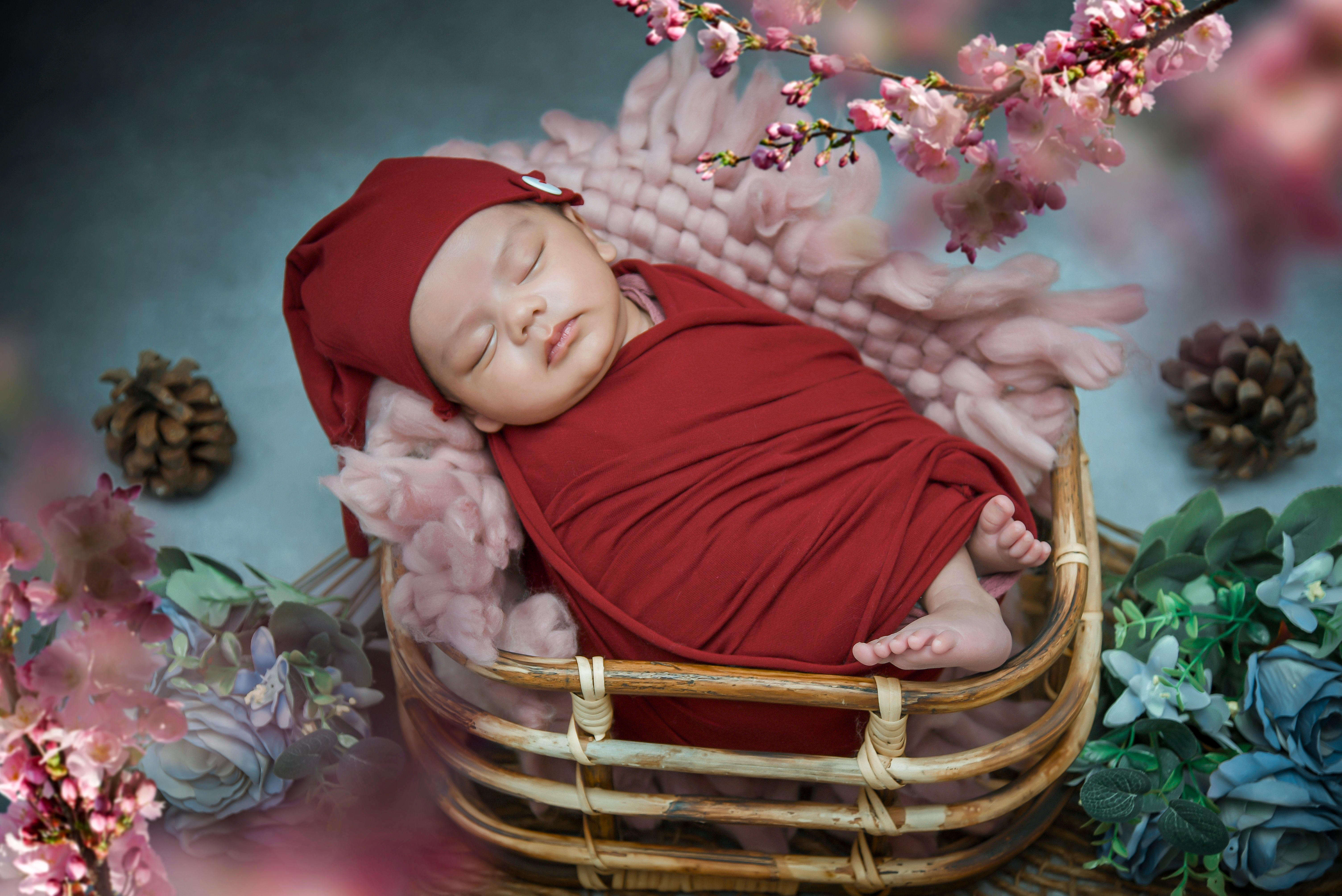
Newborn photo retouching should enhance a baby’s portrait while keeping it natural and authentic. The goal is to gently remove temporary distractions without changing the baby’s real features or creating an overly edited look.
What Should Be Edited?
Professional newborn retouching usually includes:
-
Temporary blemishes or baby acne
-
Redness and uneven skin tone
-
Dry or flaky skin
-
Minor scratches from fingernails
-
Color casts from blankets or studio lighting
-
Background wrinkles or distractions
These adjustments help create a clean and polished portrait while keeping the baby looking natural.
What Should Not Be Edited?
Avoid changing permanent or meaningful features such as:
-
Birthmarks (unless parents request removal)
-
Natural skin texture
-
Finger and toe shape
-
Facial proportions
-
Eye color
-
Hair pattern
Over-editing can make the baby look unrealistic and remove the details that make the portrait special.
Keep Skin Texture Natural
Newborn skin is naturally soft and textured. Heavy skin smoothing can create a plastic appearance. Use low-opacity retouching and preserve pores and fine skin detail whenever possible.
Focus on Color Correction
Accurate color is often more important than heavy retouching. Make sure:
-
Skin tones look warm and healthy
-
Hands and feet are not overly red or purple
-
White blankets appear neutral
-
The overall image has a soft, natural tone
Safety Comes First
Editing should never be used to fake unsafe poses. If a composite image was created for safety reasons, make sure it looks natural and does not hide any unsafe handling during the session.
Conclusion
The best newborn photo retouching is subtle, gentle, and focused on temporary imperfections. Correct redness, flaky skin, and small distractions, but preserve the baby’s natural features and texture. A professionally retouched newborn portrait should feel soft, timeless, and completely authentic.